Log in

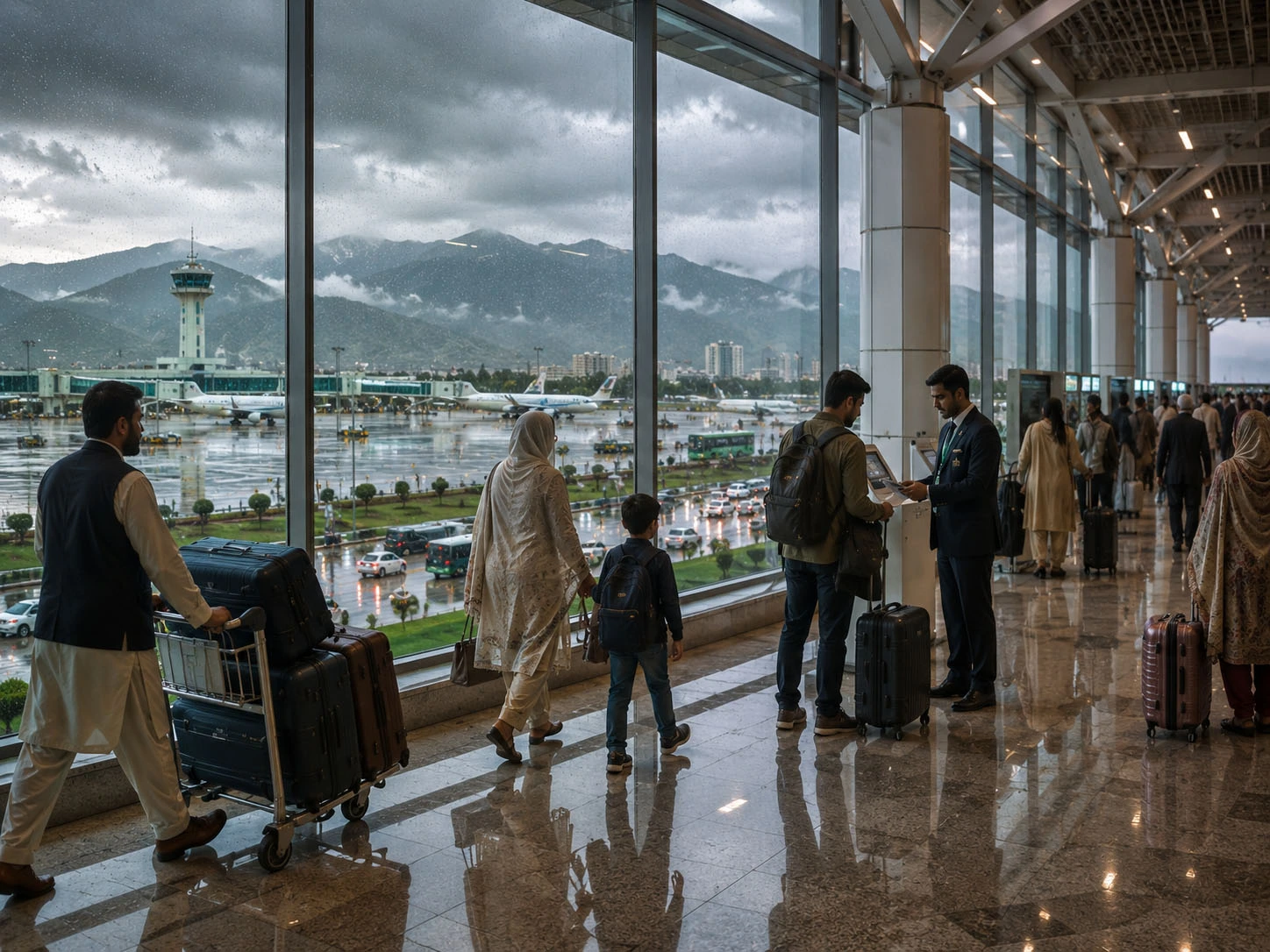
Islamabad and Rawalpindi are facing significant disruption from heavy monsoon rainfall on September 1, 2026, with low-lying areas flooded, roads affected and authorities placed on heightened alert.
According to reporting published on September 1, heavy rain inundated parts of the twin cities, while the water level in Nullah Lai rose to dangerous levels. Dawn reported that more than 200mm of rain was recorded in the catchment area of Leh Nullah, while evacuation activity began around Kattarian and Gawalmandi.
The Pakistan Meteorological Department's Flood Forecasting Division has also issued a September outlook indicating scattered to widespread rainfall across upper Punjab and upper Khyber Pakhtunkhwa through September 5, with flows in major rivers and associated nullahs expected to increase slightly during the period.
For people traveling between Norway and Pakistan, particularly passengers flying to Islamabad, the situation makes it important to check current travel conditions before leaving for the airport or beginning onward road travel.
Heavy rainfall affected the twin cities during the early hours of September 1.
Several low-lying areas experienced water accumulation, while traffic was affected on roads across Islamabad and Rawalpindi. Local authorities deployed emergency and dewatering teams to deal with accumulated rainwater.
Dawn reported rainfall totals including 201mm at Shamsabad, 186mm at New Kattarian, 157mm at Golra and 155mm at the Pakistan Meteorological Department site near H-8/2, based on data available in the morning.
In Islamabad, the E-11 sector received around 150mm of rain within a short period, according to reporting citing the Deputy Commissioner's office, while dewatering operations were underway.
The situation has particularly affected roads and drainage channels in vulnerable areas.
One of the main concerns during the latest rainfall is the rising water level in Nullah Lai, the drainage channel running through parts of Rawalpindi.
Authorities have monitored water levels at locations including Kattarian and Gawalmandi and issued warnings to residents in vulnerable areas.
The heavy rainfall has also prompted emergency preparations, including the deployment of drainage and rescue resources.
The wider Pakistan Meteorological Department outlook indicates that rainfall activity can continue across upper Punjab and nearby regions during the first week of September.
Travelers should distinguish between weather-related road disruption and airport closure.
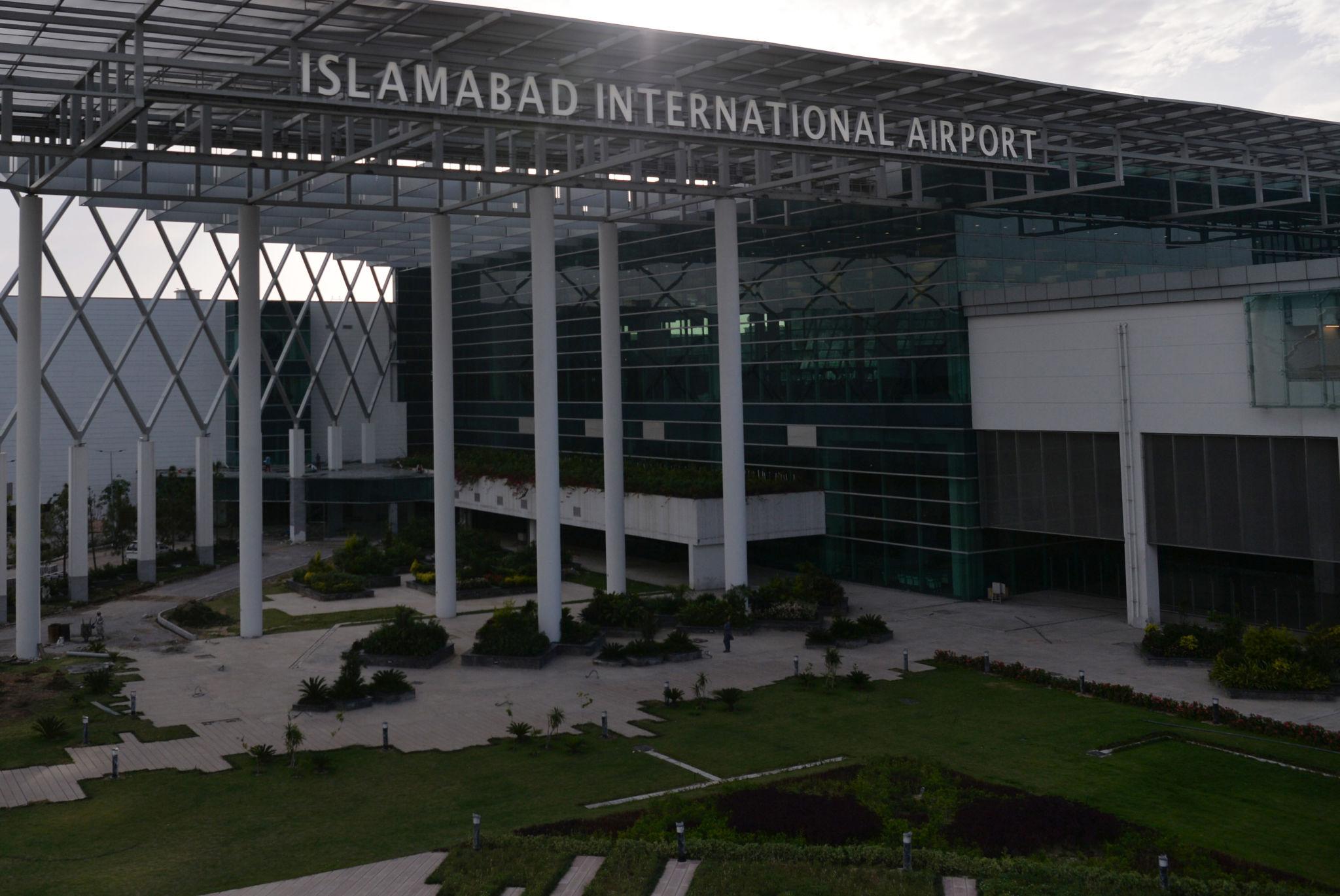
The latest Islamabad International Airport schedule available on September 1 shows international and domestic flights operating throughout the day, although some flights are listed as delayed. The airport schedule includes arrivals from destinations such as Jeddah, Doha, Dubai, Istanbul, London and other cities.
Therefore, travelers should not assume that all flights to Islamabad have been cancelled because of the rain.
Flight conditions can change quickly during severe weather. Passengers should check their airline and airport status close to departure time and allow additional time for transportation to Islamabad International Airport.
Passengers traveling from Norway to Pakistan should take additional precautions when heavy rain affects Islamabad and Rawalpindi.
Before leaving for the airport, travelers should:
For passengers arriving in Islamabad and then traveling to other cities, road conditions should also be checked before arranging onward transportation.
The biggest immediate concern for travelers may be ground transportation rather than the flight itself.
A flight can operate normally while roads leading to or from the airport experience delays because of heavy rainfall, standing water or traffic restrictions.
This means passengers should consider the entire journey rather than looking only at flight status.
For example, a traveler flying from Oslo to Islamabad may have an on-time international flight but still experience delays reaching their hotel or onward destination after landing.
The same applies to passengers traveling from Islamabad to Rawalpindi, Murree, northern Punjab or other destinations by road.
GoPakistan.no specializes in travel between Norway and Pakistan, including flights from Oslo to major Pakistani cities such as Islamabad, Lahore and Karachi. The website offers multiple flight options and provides booking support through offices in Oslo and Lahore.
For travelers searching for cheap flights from Oslo to Pakistan, weather conditions are an important factor to consider when selecting departure and arrival times.
Flexible planning can be particularly useful when traveling during periods of heavy rainfall.
Travelers should compare available flight routes while also considering connection times, arrival schedules and transportation arrangements after landing.
Passengers flying to or from Islamabad International Airport during the current weather conditions should arrive with sufficient time.
Road congestion and water accumulation can make the journey to the airport slower than normal.
Travelers should also keep their airline booking information readily available and monitor any notifications from the airline.
If a flight is delayed, passengers should follow the airline's instructions rather than relying on unofficial social-media reports.
The latest Flood Forecasting Division outlook covers September 1–7, 2026.
The official forecast indicates scattered to widespread rainfall activity over upper catchments of major rivers, upper Punjab and upper Khyber Pakhtunkhwa through September 5. The FFD also expects river and associated nullah flows to increase slightly through September 5.
This means travelers should continue monitoring official weather information during the first days of September, particularly if their journey involves Islamabad, Rawalpindi or northern areas.
If you are planning to book a flight from Norway to Pakistan, severe weather does not necessarily mean you need to cancel your trip.
Instead, travelers should make their itinerary more flexible and stay informed.
Consider:
Travelers can also compare different Pakistani arrival airports when planning their itinerary. GoPakistan.no provides flight options for Islamabad, Lahore and Karachi, allowing passengers to compare routes based on their destination and travel requirements.

Not necessarily.
The September 1 weather situation is serious in affected areas, but travelers should assess conditions based on their specific flight, airport status and destination.
The most important consideration is to follow official instructions and monitor updated weather and transportation information.
Travel conditions can change throughout the day as rainfall decreases or increases.
Yes. Heavy rainfall has affected Islamabad and Rawalpindi, causing flooding in low-lying areas and disruption on several roads.
Yes. Several areas of Rawalpindi have experienced urban flooding following heavy rainfall, while authorities have been monitoring Nullah Lai and deploying emergency resources.
There is no basis to say that all Islamabad flights are cancelled. The latest Islamabad International Airport schedule shows flights operating, although some services are delayed. Travelers should check their individual flight status before departure.
The airport's current published schedule shows arrivals operating on September 1, 2026. Individual flights can still be delayed or changed because of weather or operational conditions.
Yes. Travelers should check their airline's latest flight status and the airport's schedule before leaving for the airport, especially during periods of heavy rainfall.
Yes. Even when an aircraft arrives normally, flooding and traffic congestion can affect transportation between Islamabad International Airport, Islamabad, Rawalpindi and onward destinations.
Travelers should rely on official information from the Pakistan Meteorological Department and its Flood Forecasting Division for weather, rainfall and flood-related updates.
Yes. GoPakistan.no provides flight options from Norway to Pakistani destinations including Islamabad, Lahore and Karachi.