Log in

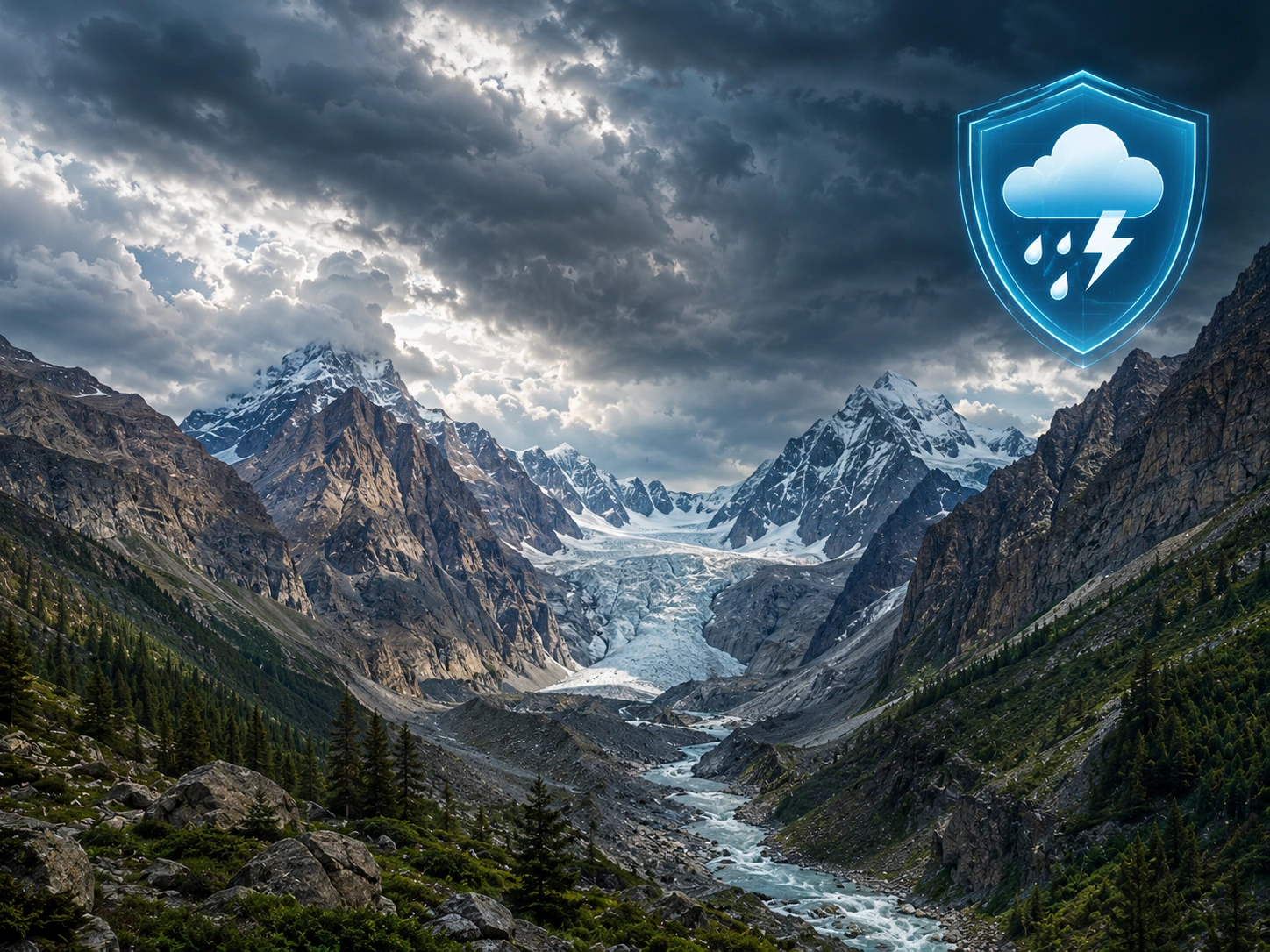
The National Disaster Management Authority (NDMA) and the Pakistan Meteorological Department (PMD) have officially issued an active meteorological advisory warning of severe climate risks across upper Pakistan, spanning May 26 through May 21, 2026. A moderate westerly wave interacting with a sharp, localized rise in temperatures has accelerated high-altitude glacier destabilization. This phenomenon dramatically elevates the imminent threat of Glacial Lake Outburst Floods (GLOFs), rapid debris flow, and infrastructure-damaging flash floods.
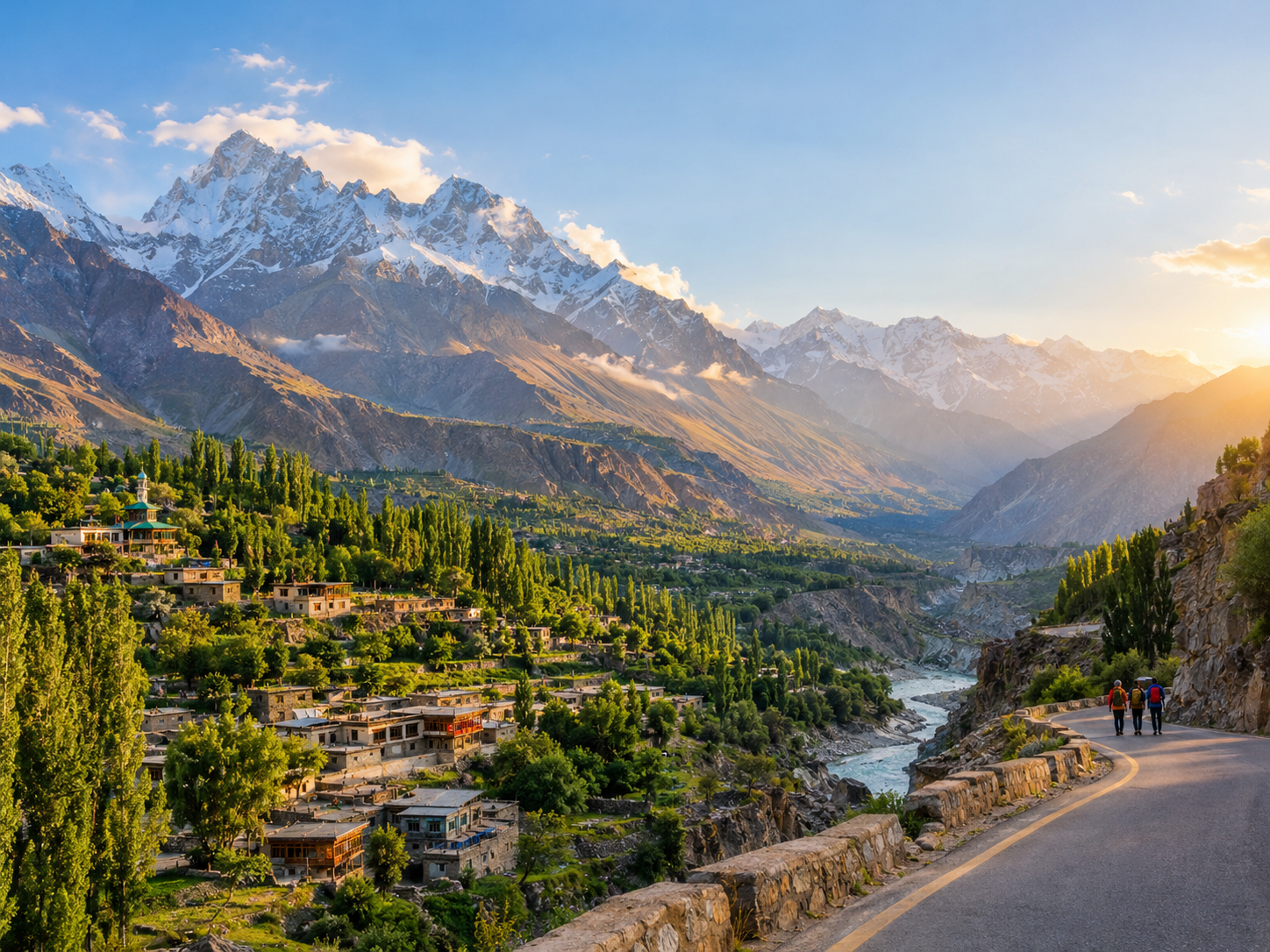
The primary regions under high-vigilance directives include popular tourist corridors and mountainous catchments within Gilgit-Baltistan (GB) and Khyber Pakhtunkhwa (KP). Specific areas flagged by the PMD GLOF Monitoring Cell include Swat, Upper Chitral, Dir, Kohistan, Hunza (including Hoper and Ghulkin valleys), Nagar, Diamer, Shigar, and Astore. Local authorities are on round-the-clock standby as shifting weather blocks threaten to alter river water volume, generate muddy flows, and create localized road closures.
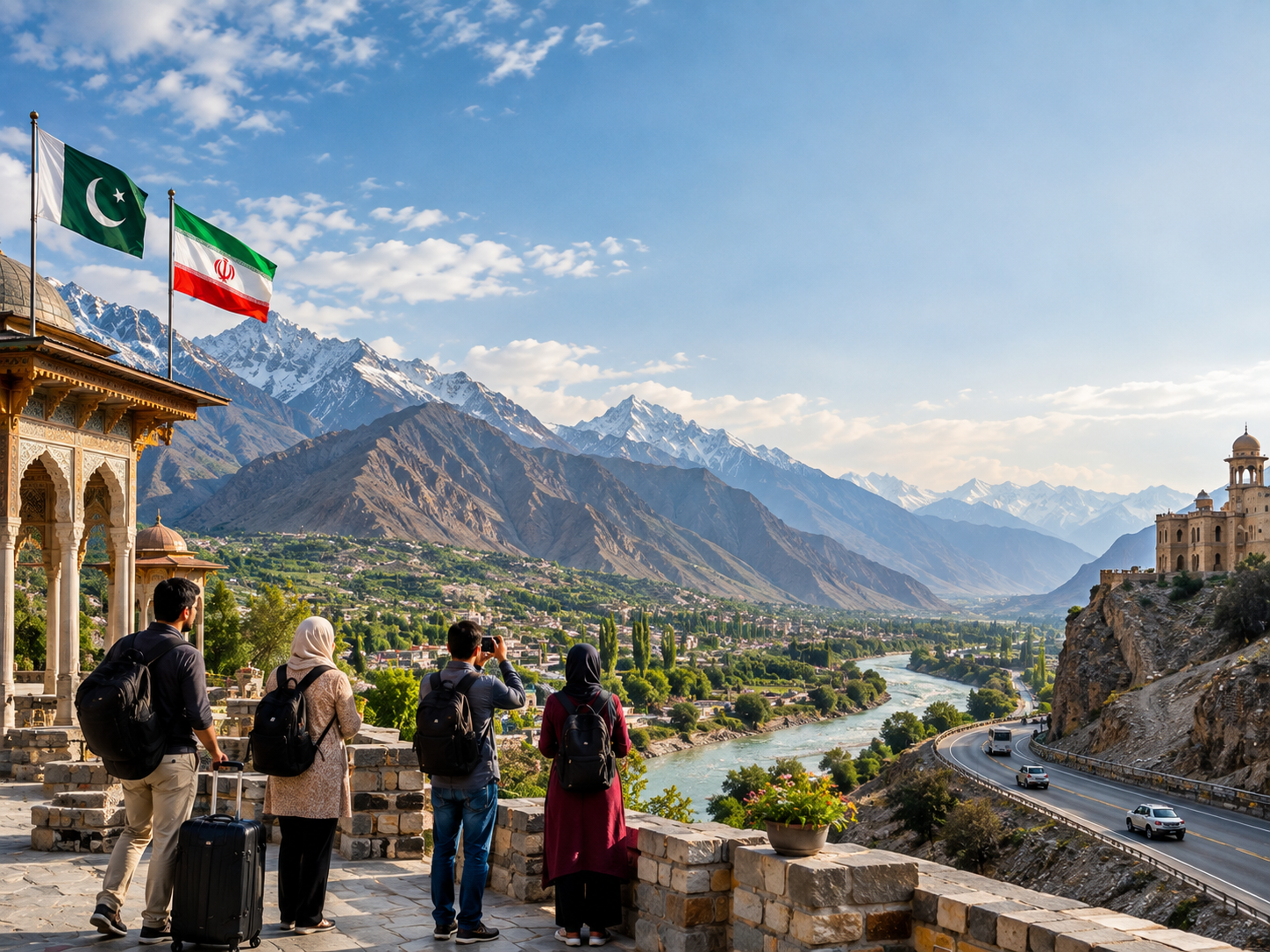
This emergency environmental layout directly coincides with the heavy travel rush of the Norwegian-Pakistani diaspora returning home for the extended Eid holidays. Many families booking their cheap flights from Oslo Airport (OSL) to Islamabad (ISB) or Lahore (LHE) intentionally schedule secondary domestic itineraries to northern tourist locations like Hunza Valley or Fairy Meadows.
Due to the heightened risk of heavy rockfalls, flash flooding, and landslides blocking key transit arteries—such as the Karakoram Highway (KKH) and alpine passes—travelers are urged to adapt their immediate vacation layouts. To maintain safety, passengers booking international air tickets via GoPakistan.no should prioritize urban family visits in safer central hubs during late May and postpone rugged high-altitude trekking until local disaster management agencies lower the regional threat index.
A GLOF occurs when a dam containing a glacial lake—often composed of unstable ice or loose moraine rocks—suddenly breaches due to rapid melting or heavy rainfall. This releases immense volumes of water and debris downstream, heavily impacting roads, bridges, and nearby villages.
The NDMA explicitly advises tourists to exercise extreme caution and avoid unnecessary travel near mountain streams, riverbanks, or steep, vulnerable slopes during this specific window. It is safer to remain in major urban centers until the system moves out.
Yes. International flight operations into major hubs like Islamabad International Airport (ISB) remain completely unaffected by these regional mountain alerts. You can safely browse and lock in cheap flybilletter til Pakistan on GoPakistan.no.
Travelers should closely monitor official notifications posted by the National Highway Authority (NHA) and the provincial disaster management networks (PDMA KP and GBDMA). Additionally, check local radio broadcasts or verified social channels before embarking on any inter-city drive.